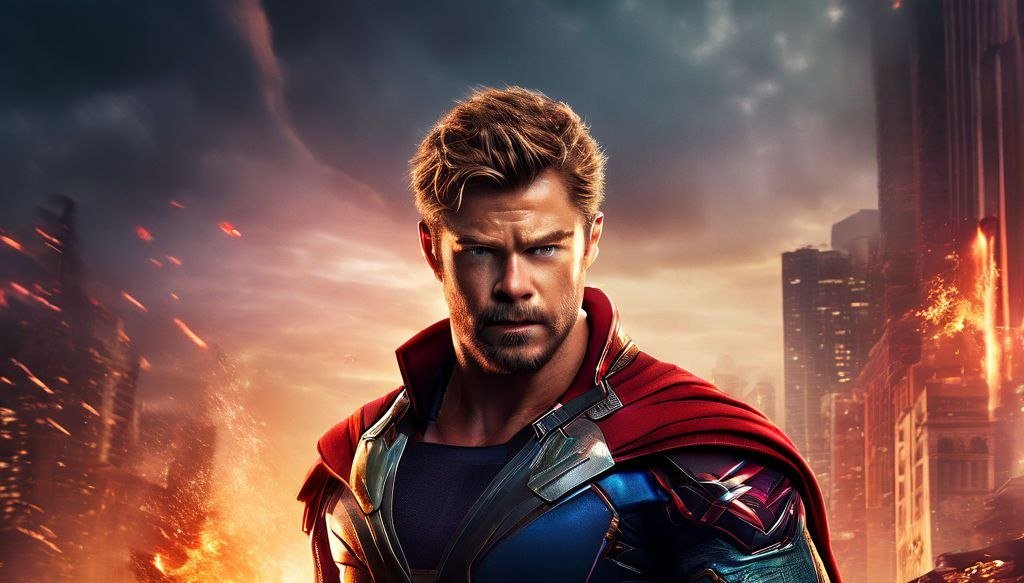
The world of superheroes isn't just about capes and catchy names; it's fundamentally about the extraordinary capabilities that define them. Dive into any comic book, movie, or animated series, and you'll quickly realize that understanding the Types of Superhero Powers & Abilities is key to appreciating these characters and their narratives. From incredible feats of strength to mind-bending psychic assaults, the spectrum of powers is as limitless as the imagination itself.
It's a vibrant, ever-evolving lexicon, a tapestry woven from scientific anomalies, ancient magic, alien physiologies, and sheer force of will. But beyond the dazzling spectacle, each power carries with it a unique set of applications, challenges, and often, ethical quandaries. Let's peel back the layers and explore the diverse arsenal that makes our heroes (and sometimes villains) truly super.
At a Glance: Key Takeaways
- Diverse Origins: Superpowers stem from mutations, magic, advanced technology, alien biology, cosmic exposure, and rigorous training.
- Core Categories: While seemingly endless, most powers fall into categories like physical enhancements, mental abilities, energy manipulation, and elemental control.
- Beyond the Flash: Powers aren't just for combat; they serve vital roles in intelligence gathering, rescue operations, strategic defense, and even interdimensional travel.
- Ethical Considerations: Many powers, especially mental or destructive ones, come with significant moral responsibilities and potential for misuse.
- A Growing Universe: The sheer number of powers (over 500 cataloged in comics and movies) highlights the endless creativity in superhero storytelling.
The Pillars of Power: Exploring Core Abilities
When you imagine a superhero, certain iconic powers instantly spring to mind. These aren't just random abilities; they are often the foundational elements that define a hero's role, their challenges, and their place in the grand narrative. Let's break down some of the most common and compelling types of superhero powers and abilities you'll encounter.
1. Raw Strength: The Unshakeable Foundation
Perhaps the most universally recognized superpower, enhanced physical strength is a staple across the superhero landscape. It’s not just about lifting heavy objects; it's about sheer physical dominance, resilience, and the ability to withstand incredible force.
What it means: Super strength elevates a character's muscle power far beyond human limits. This can range from being able to bend steel bars to literally moving planets, depending on the hero's power level. It often comes paired with enhanced durability, allowing heroes to absorb blows that would pulverize an ordinary person.
Key Characters & Applications:
- Superman, Hulk, Thor: These are the poster children for super strength, routinely saving damaged buildings, stopping runaway trains, or brawling with cosmic threats.
- Captain America, Spider-Man: While not on the cosmic scale, their enhanced strength allows them to overpower numerous foes, leap incredible distances, and survive brutal fights.
- Applications: Rescue missions (lifting debris, stopping vehicles), direct combat (overpowering opponents), structural support (holding up collapsing structures).
The Nuance: The exact limits of super strength are often fluid, dictated by narrative needs. Sometimes it's a measurable tonnage, other times it's simply "enough." It can be a natural biological trait, a result of radiation, or even magical endowment.
2. Flight: Soaring Above the Rest
The ability to defy gravity and take to the skies is deeply ingrained in the superhero archetype. It symbolizes freedom, aspiration, and a detachment from earthly limitations. Flight isn't just a mode of transport; it's a strategic advantage and a powerful visual statement.
What it means: Characters with flight can propel themselves through the air, often at incredible speeds, sometimes even reaching outer space or traveling between galaxies. It fundamentally changes how a hero interacts with their environment and approaches threats.
Key Characters & Applications:
- Superman, Shazam, Thor: Iconic flyers who patrol the skies, engage in aerial combat, and transport themselves or others with ease.
- Doctor Strange, Green Lanterns, Iron Man: Demonstrate flight through magical means (levitation, portals), energy constructs, or advanced technological suits.
- Applications: Rapid deployment to crisis zones, aerial reconnaissance, engaging flying enemies, escaping ground-based threats, transporting people or objects.
The Nuance: How a hero flies varies wildly. Some possess inherent biological ability (like Superman), others use mystical forces (Doctor Strange), or rely on cutting-edge technology (Iron Man). This variety adds flavor and distinct visual styles to their flight.
3. Super Speed: The Blink-and-You'll-Miss-It Advantage
When time seems to slow down around you, you possess super speed. This power is about more than just running fast; it's about processing information rapidly, reacting instantly, and moving with such velocity that you become a blur, or even transcend dimensions.
What it means: Super speed allows for rapid movement, enhanced reflexes, and often, an accelerated perception of time. This can lead to extraordinary feats like dodging bullets, creating localized whirlwinds, or even phasing through solid objects.
Key Characters & Applications:
- Flash, Quicksilver: Premier speedsters capable of running across continents in moments, disarming multiple opponents before they can react, or even time travel.
- Superman, Shazam, Silver Surfer: Possess varying degrees of super speed, often complementary to their other powers, allowing them to engage at blinding speeds.
- Applications: Swift rescues, hit-and-run combat, information gathering, disarming complex traps, creating diversions, multiversal or time travel (though often with consequences).
The Nuance: The source of super speed can be metabolic (Flash's connection to the Speed Force), genetic (Quicksilver's mutation), or even a facet of vast cosmic power. Sustaining extreme speeds can take a tremendous toll on the user's body, requiring immense energy expenditure.
4. Telepathy: The Power of the Mind
The ability to read, influence, or even control minds is one of the most potent and ethically fraught superpowers. Telepathy offers unparalleled insight and immense power, delving into the very essence of thought and consciousness.
What it means: Telepathy encompasses a range of mental abilities, including reading thoughts, projecting thoughts, creating mental illusions, influencing emotions, or even directly manipulating the minds of others. At its most powerful, it can be used to destroy minds or link countless individuals into a shared consciousness.
Key Characters & Applications:
- Professor X, Jean Grey (Phoenix Force), Martian Manhunter, Saturn Girl: Master telepaths who can scan entire cities, communicate silently, or launch devastating psychic attacks.
- Applications: Gathering vital intelligence, mind control, creating illusions, silent communication, calming or inciting crowds, detecting hidden truths, psychic defenses, or even destroying minds.
Ethical Concerns: Telepathy inherently raises significant ethical questions. The power to invade someone's private thoughts or control their actions is a profound breach of autonomy, often requiring immense discipline and moral fortitude from its users.
5. Elemental Control: Harnessing Nature's Fury
Imagine commanding the very forces of nature itself. Elemental powers grant heroes dominion over fire, water, earth, or air, turning the environment into an extension of their will.
What it means: Heroes with elemental powers can generate, manipulate, and control specific natural elements. This often includes generating flames, summoning gusts of wind, creating constructs of ice, or moving vast amounts of earth. Some can even control broader weather patterns.
Key Characters & Applications:
- Storm: An omega-level mutant capable of manipulating weather on a planetary scale, summoning lightning, winds, and blizzards.
- Iceman, Human Torch: Masters of specific elements, creating intricate ice structures or engulfing themselves in flames.
- Swamp Thing (avatar of the Green): Embodies and controls plant life and the elemental force of Earth's flora.
- Applications: Area-of-effect attacks, environmental manipulation (creating barriers, changing terrain), defense (elemental shields), temperature control, terraforming on a grand scale.
The Nuance: While the classic four elements are common, elemental control can extend to sub-categories like ice, magma, electricity (often grouped with energy manipulation), or even more exotic forms like light or darkness.
6. Energy Manipulation: Blasting and Shielding
The ability to generate, control, and project various forms of energy is a cornerstone of many powerful superheroes. This can manifest as destructive blasts, protective fields, or even the power to absorb and redirect energy.
What it means: Energy manipulators can draw upon internal or external energy sources to create concussive blasts, focused beams, electromagnetic pulses, or solid energy constructs. This power often includes the ability to absorb energy, convert it, or use it for flight and force fields.
Key Characters & Applications:
- Thor, Storm, Spectrum (Monica Rambeau): Thor commands lightning and cosmic energy, Storm harnesses atmospheric electricity, and Spectrum becomes various forms of electromagnetic energy.
- Black Lightning, Static Shock: Channel and manipulate electrical energy with precision, stunning foes, creating force fields, or powering devices.
- Green Lanterns: Wield power rings that generate constructs from pure willpower, limited only by imagination.
- Applications: Offensive energy blasts, creating protective force fields, generating electromagnetic fields (for flight or manipulation), absorbing hostile energy, powering technology.
The Nuance: The type of energy varies widely: electrical, cosmic, kinetic, thermal, light, sound. Some characters are living batteries, while others draw on ambient energy or even dimensions.
7. Magic: The Arcane Arts
When science fails to explain, magic steps in. This ancient and often mysterious force grants heroes (and villains) access to a vast array of mystical abilities, defying conventional physics and logic.
What it means: Magic is typically learned or inherited, involving spells, rituals, artifacts, and tapping into mystical dimensions or cosmic entities. It's an all-encompassing power source that can mimic or surpass almost any other ability.
Key Characters & Applications:
- Doctor Strange, Doctor Fate: Sorcerers Supreme who wield reality-bending spells, summon mystical constructs, teleport, and scry across dimensions.
- Shazam: Transforms an ordinary boy into a super-powered champion through a magical word, granting him a suite of abilities.
- Justice League Dark, Hellboy, Blade: Deal with supernatural threats using a combination of mystical knowledge, combat skills, and specialized magical abilities.
- Applications: Spellcasting (healing, illusion, attack), teleportation, dimension hopping, divination, elemental manipulation, summoning, curse breaking, protection wards.
The Nuance: Magic often has strict rules, costs, or vulnerabilities. Mispronouncing a spell or losing an artifact can be disastrous. Its users are often protectors against supernatural threats that physical strength alone cannot defeat.
8. Enhanced Healing & Regeneration: Bouncing Back Stronger
The ability to recover from grievous injuries at an accelerated rate, or even regrow lost body parts, is a superpower that ensures heroes can survive the most brutal encounters and return to the fight.
What it means: Enhanced healing factors allow heroes to mend bones, repair tissue, and recover from wounds far faster than normal humans. Regeneration takes this a step further, enabling the regrowth of lost limbs, organs, or even entire bodies from a single cell.
Key Characters & Applications:
- Deadpool, Wolverine: Famous for their near-immortal healing factors, allowing them to survive bullet wounds, explosions, and even decapitation, recovering fully in moments.
- Applications: Surviving otherwise fatal attacks, prolonged combat endurance, recovering from poisons or diseases, immunity to certain forms of harm.
The Nuance: A healing factor isn't always instant; it can take time depending on the severity of the injury. Some healing factors are so potent they slow aging, granting immense longevity. The pain of healing rapidly is also a factor for some characters.
9. Super Senses: Perceiving Beyond the Ordinary
Sometimes, the greatest power isn't to hit harder or fly faster, but to perceive more. Super senses enhance a hero's natural sensory inputs, granting them unparalleled awareness of their surroundings.
What it means: This category includes abilities like X-ray vision, microscopic vision, super hearing, enhanced smell, night vision, or a "danger sense." It allows heroes to detect threats, gather information, and navigate environments in ways ordinary humans cannot.
Key Characters & Applications:
- Spider-Man: His "spider-sense" warns him of immediate danger, allowing him to dodge attacks he hasn't even seen yet.
- Superman: Possesses a suite of enhanced senses including X-ray vision, heat vision (though often offensive), super hearing, and telescopic vision.
- Daredevil (Matt Murdock): Though blind, his remaining senses are heightened to an incredible degree, creating a "radar sense" that allows him to perceive his environment with uncanny detail.
- Applications: Detecting hidden traps or enemies, identifying weaknesses, tracking targets, surveillance, navigating in adverse conditions, anticipating threats.
The Nuance: Overwhelming a hero's enhanced senses can sometimes be a vulnerability, creating sensory overload. The development of these senses often comes with years of training or as a side effect of other transformations.
10. Animal Powers: Embodying the Wild
Drawing inspiration from the animal kingdom, these powers allow heroes to channel the abilities of beasts, transform into them, or even communicate with them. It’s a connection to the primal, untamed aspects of nature.
What it means: Animal powers can manifest in several ways: gaining the strength, agility, or senses of a specific animal; shape-shifting into various animals; or having the ability to telepathically communicate with or command animals.
Key Characters & Applications:
- Vixen: Wields a magical totem that allows her to mimic the abilities of any animal in the natural world.
- Beast Boy: Can transform into any animal, whether real or mythical, gaining their specific powers and attributes.
- Animal Man, B'Wana Beast: Can channel the abilities of animals, sometimes combining multiple animal traits or communicating with them.
- Applications: Enhanced physical attributes (strength of a bear, speed of a cheetah), flight (like a bird), camouflage (like a chameleon), espionage (using animal senses), combat (animalistic fighting styles).
The Nuance: The origin of these powers varies from magical artifacts, genetic mutations, or unexplained cosmic forces. They often link the hero directly to ecological themes or the balance of nature.
Beyond the Battlefield: Utility Powers and Support Abilities
Not all powers are about direct confrontation. Many are vital for investigation, support, strategy, or simply making the impossible possible outside of a brawl.
Invisibility & Phasing: The Art of Disappearing
The ability to become unseen or pass through solid objects is a masterstroke in stealth and infiltration.
What it means: Invisibility allows a hero to bend or manipulate light, rendering themselves unseen. Phasing, or intangibility, enables them to alter their molecular density to pass through solid matter, often avoiding attacks in the process.
Key Characters & Applications:
- Invisible Woman, Martian Manhunter: Can turn invisible for stealth or defense. Martian Manhunter also utilizes phasing.
- Kitty Pryde (Shadowcat): Can phase through objects, disrupting electrical systems and avoiding physical harm.
- Applications: Stealth operations, espionage, bypassing security systems, avoiding direct attacks, making tactical retreats.
Telekinesis: Moving the World with a Thought
The power to manipulate objects with one's mind, without physical contact.
What it means: Telekinesis ranges from subtle manipulation of small objects to lifting massive structures, creating force fields, or even flying. It's a versatile power often linked to psychic abilities.
Key Characters & Applications:
- Jean Grey, Scarlet Witch: Can lift objects, create powerful force blasts, and even tear things apart with their minds.
- Applications: Ranged attacks, defense (force fields), construction/destruction, disarming opponents, subtle manipulation.
Shapeshifting: Master of Disguise
The ability to alter one's physical appearance, often down to the cellular level, mimicking others or creating new forms.
What it means: Shapeshifters can change their facial features, body type, gender, age, or even species. This can be perfect for infiltration, gathering intelligence, or surprising opponents.
Key Characters & Applications:
- Mystique, Martian Manhunter, Chameleon: Master shapeshifters who can perfectly mimic others for espionage or infiltration.
- Beast Boy: As mentioned, can transform into animals.
- Applications: Espionage, undercover operations, disguise, adapting to different environments, escaping capture, psychological warfare.
Technopathy/Machine Control: The Digital Dominators
In a world increasingly reliant on technology, the ability to control or interface with machines is a potent modern power.
What it means: Technopathy allows a hero to mentally connect with, control, or manipulate electronic devices, computers, and even complex machinery. This can range from hacking mainframes to commanding an army of robots.
Key Characters & Applications:
- Cyborg: Integrates with all forms of technology, allowing him to hack, control, and process vast amounts of digital information.
- Forge: While not strictly technopathic, his mutant ability allows him to instinctively understand and create any technology.
- Applications: Hacking, information retrieval, remote control of vehicles or weapons, creating advanced gadgets on the fly, disabling enemy tech.
How Powers Are Acquired: The Origin Story
The source of a hero's power often defines their character, their world, and the challenges they face. There are several common avenues through which ordinary individuals become extraordinary.
- Mutation: A genetic alteration, often occurring spontaneously or triggered by an external factor, granting innate abilities. (e.g., X-Men, Spider-Man).
- Magic/Mysticism: Tapping into arcane forces, learning spells, possessing magical artifacts, or being chosen by mythical entities. (e.g., Doctor Strange, Shazam).
- Advanced Technology: Utilizing futuristic gadgets, power suits, or cybernetic enhancements created by genius-level intellects. (e.g., Iron Man, Batman, Cyborg).
- Alien Physiology: Inherited abilities from extraterrestrial heritage, often revealed when exposed to Earth's environment or specific cosmic energies. (e.g., Superman, Martian Manhunter).
- Cosmic Exposure/Accident: Being exposed to radiation, experimental chemicals, or cosmic phenomena that rewrite a person's genetic or energy structure. (e.g., Hulk, Fantastic Four).
- Divine Intervention: Gifts bestowed by gods, deities, or other higher beings. (e.g., Thor, Wonder Woman).
- Intense Training/Discipline: While not a "superpower" in the traditional sense, peak human conditioning, martial arts mastery, and mental discipline can push human limits to seemingly superhuman levels. (e.g., Batman, Black Widow).
The Endless Canvas: Unique and Niche Abilities
The 10 common powers we've explored are just the tip of the iceberg. The comic book universe boasts over 500 cataloged powers, each a testament to boundless creativity. These often niche or highly specialized abilities can be just as impactful, sometimes even more so, due to their unexpected nature.
Think about powers like:
- Probability Manipulation: Affecting luck or chance to favor the user (Domino).
- Empathy: Sensing or manipulating the emotions of others (Mantis).
- Matter Ingestion: The ability to eat anything (Matter-Eater Lad).
- Vibration Manipulation: Controlling frequencies to create force or disrupt matter (Vibe).
- Precognition/Retrocognition: Seeing the future or the past.
- Mimicry/Power Absorption: Copying or stealing others' powers (Rogue, Taskmaster).
- Time Manipulation: Slowing, stopping, or even reversing local time.
- Dimension Hopping: Traveling between different realities or dimensions.
These unique powers often define a character's entire identity, leading to fascinating stories and unexpected tactical advantages. If you're pondering what incredible ability you might wield in the superhero cosmos, consider trying to Generate your superhero powers – you might discover a combination you never imagined!
Common Questions About Superhero Powers
Navigating the vast landscape of superhero abilities can bring up a lot of interesting questions. Let's tackle a few common ones.
What's the difference between a "power" and an "ability"?
While often used interchangeably, "power" generally refers to an extraordinary, often supernatural or scientifically inexplicable capability (e.g., flight, super strength). "Ability" can be a broader term, encompassing powers but also highly refined skills developed through training, technology, or intellect (e.g., master martial artist, brilliant detective, expert marksman). Batman, for instance, has extraordinary abilities but no inherent powers.
Can superheroes lose their powers?
Absolutely. It's a common plot device! Powers can be lost due to:
- Injury or Illness: A severe trauma or disease could disrupt the source of a power.
- Depletion: Energy-based powers might run out if overused.
- Power Dampeners/Neutralizers: Specific technologies or other powers designed to suppress abilities.
- Psychological Blocks: Trauma or mental state can sometimes inhibit power use.
- Magical Curses or Rituals: In magical contexts, powers can be bound or removed.
- Genetic Reversal: Scientific means might be developed to "cure" mutations.
Are all powers beneficial?
Not always. Some powers come with significant drawbacks or are inherently dangerous:
- Destructive Powers: Can be hard to control and cause collateral damage (e.g., Cyclops's optic blasts).
- Sensory Overload: Enhanced senses can be overwhelming in busy environments (e.g., Superman's super hearing).
- Physical Toll: Using immense power can drain the user or cause physical pain (e.g., the strain of super speed).
- Social Isolation: Powers that make a person fundamentally different can lead to loneliness or fear from others.
- Ethical Burden: Powers like telepathy or mind control carry a heavy moral weight.
Your Place in the Pantheon: Understanding the Impact
Understanding the types of superhero powers and abilities isn't just about trivia; it's about appreciating the depth and complexity of these fictional worlds. Each power opens up unique storytelling possibilities, shapes character arcs, and drives the very conflicts that make these stories so compelling.
Whether you're drawn to the raw might of super strength, the strategic advantage of telepathy, or the limitless potential of magic, every power contributes to the rich tapestry of heroism. It forces us to ask: If you had the power, how would you use it? What responsibilities would you bear? And ultimately, what kind of hero—or human—would you become? The answers, like the powers themselves, are infinite.