In the vast, intricate universes we explore through video games, a silent, powerful force often dictates the depth of our connection: the delicate dance between what we do and why we do it. This isn't just about flashy graphics or intricate combat; it's about Balancing Powers for Narrative & Game Mechanics to craft experiences that genuinely resonate, making us co-creators of epic tales rather than mere spectators. When done right, this balance transforms a collection of rules into a living story, and a story into an unforgettably interactive journey.
At a glance: Crafting Unforgettable Game Experiences
- Narrative-Influencing Game Mechanics (NIGM) empowers players to shape the story, making each playthrough unique.
- A Symbiotic Relationship: Game mechanics give context to actions, while compelling narratives infuse meaning into gameplay.
- The Perils of Imbalance: Too much narrative can feel passive; too much gameplay can feel meaningless.
- Masterful Integration: Successful games like The Witcher 3 and The Last of Us seamlessly blend player choices with evolving stories and responsive worlds.
- Practical Steps for Creators: Prioritize player agency, integrate early, test relentlessly, and manage complexity.
Why Balance Matters: The Symbiotic Dance Between Story and System
Imagine a grand opera where the music is breathtaking, but the singers simply stand still, reciting their lines. Or a spectacular ballet where the dancers move with incredible precision, but their movements tell no story, evoke no emotion. This is the challenge game developers face when the story and the systems of a game—its narrative and its mechanics—aren't in harmony.
Game mechanics are the very fabric of interaction: the controls you press, the physics that govern movement, the rules of combat, the objectives you pursue. They are the "how" of playing. Game narratives, on the other hand, encompass the story, the characters, the lore, and the emotional arcs that drive your journey. They are the "why."
When these two elements are out of sync, the experience falters. A rich story without meaningful gameplay can leave players feeling passive, as if they're watching a movie they occasionally click through. Conversely, brilliant mechanics without a compelling narrative can lead to a hollow, repetitive experience, where every challenge feels like busywork.
The magic happens when mechanics and narrative engage in a symbiotic relationship. Intuitive mechanics don't just facilitate action; they provide a tangible way for players to express the narrative. Saving a kingdom from impending doom, for instance, isn't just about swinging a sword; the narrative context makes each parry, each dodge, each strategic decision feel impactful and meaningful. In turn, a compelling narrative motivates deeper engagement with the mechanics, encouraging players to master systems to unravel more of the story. This deep integration is what fosters true player immersion, making you not just a player, but an active participant, even a co-author, in the unfolding drama.
Defining the Pillars: Narrative-Influencing Game Mechanics (NIGM)
At the heart of truly dynamic game experiences lies the concept of Narrative-Influencing Game Mechanics (NIGM). These are the ingenious systems that empower your actions and decisions to ripple through the game world, directly shaping the narrative flow, character development, and the very fabric of the world around you. NIGM isn't just about offering choices; it's about making those choices genuinely matter, transforming a linear journey into a unique, personalized saga.
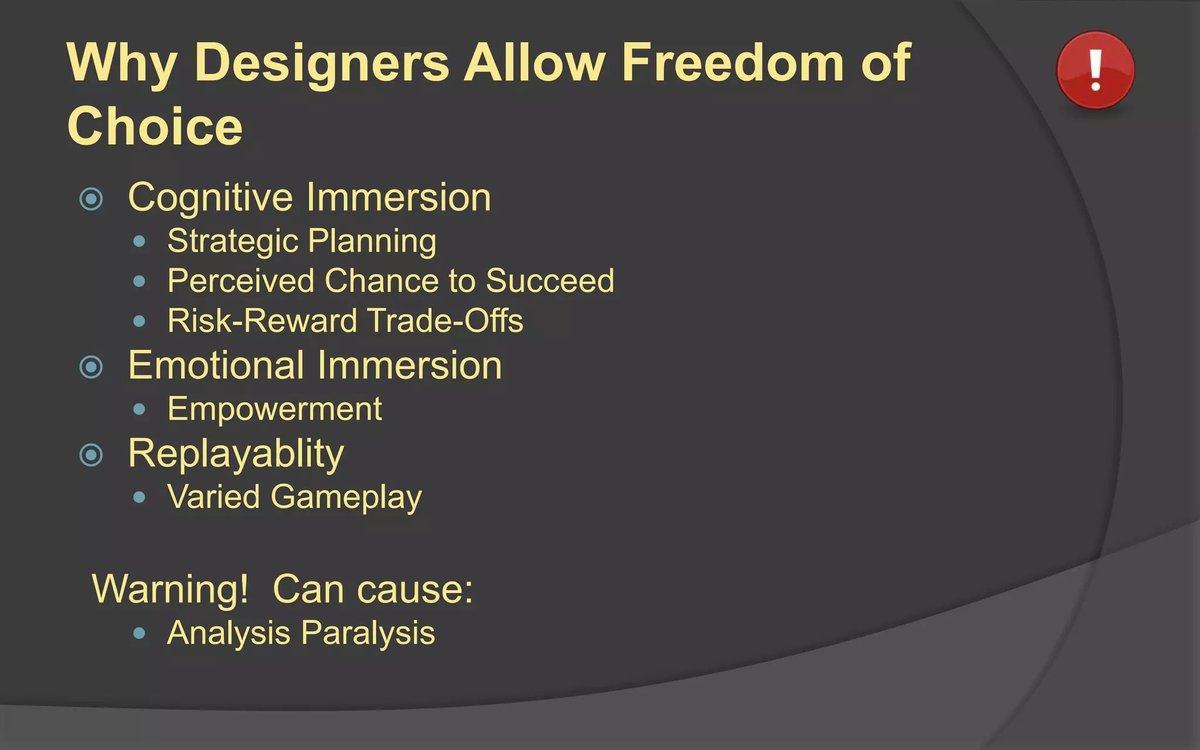
When NIGM is effectively implemented, the lines between gameplay and story blur. You're not merely progressing through a pre-written script; you're actively contributing to its creation, becoming a co-creator of a living, evolving tale. This deepens player connection, enhances replayability, and ensures that each experience feels uniquely your own.
Mechanics that Weave Your Story
Behind the scenes, NIGM relies on sophisticated algorithms and design frameworks that track player choices and adapt the game world accordingly. Here’s a closer look at the core technical mechanisms that make this possible:
- Decision Tree Models: These are the architectural blueprints of branching narratives. Designers map out various story paths, outlining critical decision points and the subsequent narrative branches they lead to. Think of it like a choose-your-own-adventure book on steroids. A prime example is The Witcher 3: Wild Hunt, where seemingly minor decisions made hours earlier can dramatically alter character relationships, geopolitical outcomes, and ultimately, which of its many endings you achieve.
- AI Systems: Beyond simple enemy behaviors, advanced AI can simulate realistic character interactions and world responses. These systems allow non-player characters (NPCs) and even the environment itself to adjust based on your behavior, reputation, or past choices. Red Dead Redemption 2 masterfully uses AI to alter how the world perceives protagonist Arthur Morgan; help a stranger and you might be greeted warmly later; cause trouble, and townsfolk might remember your face and react with fear or hostility.
- Narrative Scripting Tools: These specialized software tools allow writers and designers to construct complex dialogue trees, intricate story arcs, and dynamic event triggers without needing to write extensive code. Platforms like Twine and Ink are excellent examples, enabling creators to focus on the narrative logic and player experience, making it easier to prototype and implement deep branching storylines.
Why Your Players Crave NIGM
The benefits of integrating NIGM into your game design are far from theoretical; they translate directly into tangible improvements in player engagement and retention. Gamers today seek experiences where their presence genuinely matters, moving beyond passive consumption to active participation.
- Boosted Player Retention: Choice-driven narratives aren't just a gimmick; they're a powerful magnet for keeping players invested. According to the Entertainment Software Association, games featuring meaningful player choices can increase player retention by up to 60%. When players feel their decisions carry weight, they're more likely to see their journey through to its conclusion and even return for subsequent playthroughs to explore alternative paths.
- Deep Emotional Investment: A study by Quantic Foundry revealed that 74% of gamers highly value meaningful choices and consequences in their games. When the story genuinely adapts to your actions, the emotional stakes skyrocket. You become deeply invested in your character's fate and the repercussions of your choices on the game world and its inhabitants.
Beyond these statistics, the benefits of well-implemented NIGM include: - Increased Player Immersion: You're not just playing a story; you're living it.
- Enhanced Narrative Depth: Stories gain complexity and nuance with multiple perspectives and outcomes.
- Improved Replayability: The desire to see "what if" fuels multiple playthroughs.
- Personalized Gaming Experience: No two players will have quite the same journey.
- Stronger Emotional Engagement: Connecting with characters and consequences on a deeper level.
The Power Couple: Integrating NIGM with Core Game Design
For NIGM to truly shine, it cannot exist in a vacuum. Its power is amplified exponentially when seamlessly integrated with the fundamental elements of game design. This isn't about slapping a few choices onto a pre-existing game; it's about designing from the ground up with narrative influence at its core, ensuring every system reinforces the player’s agency within the story.
Weaving Story into Gameplay: Actions as Narrative Threads
The most compelling games make gameplay mechanics and narrative two sides of the same coin. Your actions within the game world shouldn't just be about skill checks or resource management; they should organically unfold the narrative. Consider BioShock, where the very act of choosing whether to "harvest" or "rescue" the Little Sisters directly impacted your character's power, moral standing, and the game's ending. The gameplay choice wasn't just a numerical adjustment; it was a deeply moral one that resonated through the entire story.
This integration means:
- Player choices influencing resource availability: Your diplomatic decisions might open up new trade routes or cut off vital supplies.
- Combat encounters reflecting narrative tension: Facing enemies isn't just a fight; it's a consequence of a narrative choice, or an obstacle preventing a character's goal.
- Exploration revealing lore-driven rewards: Discovering hidden areas or solving environmental puzzles directly contributes to understanding the world's history and current dilemmas.
Character Arcs Forged by Choice: Evolutions That Feel Real
Characters in games are no longer static entities. With NIGM, their development becomes a dynamic process, directly responding to your choices. This creates emotionally resonant stories where your relationships with NPCs, their personal struggles, and their ultimate fates are intertwined with your journey.
The Walking Dead series by Telltale Games is a masterclass in this, particularly with its protagonist Clementine. Your decisions as Lee shape Clementine’s personality, her trust in others, and her ability to survive. These weren't just dialogue options; they were choices that felt like they fundamentally altered a developing person, creating a powerful emotional bond with the character. The impact extends to:
- NPC alliances and betrayals: Who trusts you, who turns against you, and why.
- Changes in character abilities or roles: A character might learn a new skill or take on a leadership role based on your encouragement.
- Emotional responses and dialogue variations: NPCs react differently to you based on your history and reputation.
A World That Breathes Your Decisions: Dynamic Environments
The game world itself should not be a static backdrop. When NIGM is deeply integrated, the environment, its quests, and its inhabitants react and adapt to your actions. This makes the world feel alive, responsive, and truly your own.
The Elder Scrolls V: Skyrim offers a compelling example. Joining different factions doesn't just unlock new quests; it can change how guards treat you, which merchants are willing to trade, and even the political landscape of entire regions. Your influence isn't just on your character; it's on the broader ecosystem of the game. This means:
- Altered questlines: Solving a problem one way might close off others, or open entirely new opportunities.
- Environmental changes: A decision to protect a forest might see it flourish; a choice to exploit it might lead to deforestation and new dangers.
- Changes in enemy types or behavior: Your actions might empower a certain faction, leading to more encounters with them, or change their aggression levels.
When the Scales Tip: Challenges of Imbalance
While the harmonious integration of narrative and mechanics is the ideal, achieving it is a continuous challenge. Many games grapple with imbalance, leading to experiences that, while potentially good in parts, fail to reach their full potential. Understanding these pitfalls is crucial for designers aiming for true mastery.
Narrative Overload: The "Walking Simulator" Trap
When a game prioritizes narrative so heavily that gameplay mechanics become secondary, the player experience risks becoming passive. You might feel less like an active hero and more like an observer, occasionally pressing a button to advance the next cutscene or dialogue branch.
Symptoms of Narrative Overload:
- Limited Agency: Player choices feel superficial or have no discernible impact on the story.
- Repetitive or Basic Gameplay: Mechanics are simple, shallow, or don't evolve, serving only to break up long narrative sequences.
- Passive Experience: Players spend more time watching or reading than actively engaging with the game's systems.
- Disengagement: The player might lose interest because they don't feel like they're truly "playing" the game.
This can make for a beautiful story, but it often falls short of leveraging the unique power of the interactive medium. It's like having a gorgeous sports car that you can only drive in a straight line – the potential for exhilaration is there, but locked away.
Gameplay Gridlock: The "Soulless Grind" Trap
On the other end of the spectrum is the game that offers robust, engaging mechanics but neglects its narrative. This often results in a disjointed, repetitive experience where players might enjoy the core gameplay loop for a while, but eventually question the purpose of their actions.
Symptoms of Gameplay Gridlock:
- Lack of Context: Actions feel meaningless without a clear narrative reason or overarching goal.
- Repetitive Mechanics: The core gameplay, no matter how refined, becomes a grind without evolving challenges or narrative twists.
- Disconnection: Players struggle to form emotional bonds with characters or invest in the game world.
- Shallow Immersion: The world feels like a playground for mechanics rather than a place with its own history and inhabitants.
A powerful engine is impressive, but without a steering wheel and a destination, you’re just spinning your wheels. Players need a compelling "why" to drive their "how."
Mastering the Balance: Proven Strategies & Case Studies
Achieving that sweet spot where story and systems elevate each other is the mark of truly exceptional game design. It requires intentionality from the outset, a deep understanding of player psychology, and often, a willingness to iterate and refine.
Stories That Play, Games That Tell: Successful Examples
Examining games that have masterfully navigated this balance offers invaluable lessons:
- The Witcher 3: Wild Hunt: This game is often cited as the gold standard for integrated narrative and gameplay. Its sophisticated branching storylines, fueled by decision trees and advanced AI, ensure that player choices—from dialogue options to quest outcomes—have tangible, far-reaching consequences. These choices don't just affect the ending; they alter character relationships, geopolitical power dynamics, and even the availability of future quests in a dynamic, personalized narrative. The core monster-hunting gameplay is inherently tied to the narrative contracts, making each combat encounter meaningful within the larger story.
- Mass Effect Series: BioWare’s epic space opera uses an iconic branching dialogue system and a "Paragon/Renegade" reputation mechanic to craft player-driven narratives. Your decisions as Commander Shepard fundamentally shape character relationships, influence mission outcomes, and even determine the fate of entire species across a trilogy of games. The role-playing mechanics directly inform the narrative, and vice versa. Understanding the intricacies of branching narratives is key to appreciating its design.
- Life is Strange: This acclaimed episodic adventure employs a choice-based system alongside a unique time-rewind mechanic. Players can revisit and alter past decisions, exploring their immediate and long-term consequences. This mechanic isn't just a puzzle-solving tool; it's a narrative device that amplifies the emotional weight of every choice, creating a deeply resonant story about friendship, loss, and the butterfly effect of our actions.
- The Last of Us: Naughty Dog’s masterpiece demonstrates how narrative can organically drive gameplay. Every stealth sequence, every brutal combat encounter, every resource scarcity is imbued with emotional weight because it directly serves the narrative of survival and the desperate bond between Joel and Ellie. The mechanics aren't just fun; they feel impactful because of the narrative context, enhancing the story's emotional punch.
- Dark Souls: While not as overtly narrative-driven as some RPGs, Dark Souls beautifully integrates environmental storytelling with challenging gameplay. The cryptic lore, fragmented narratives, and evocative world-building provide a deep context for the brutal combat and exploration. Success in overcoming the notoriously difficult mechanics is rewarded not just with progression, but with tantalizing clues that unravel the game's rich, melancholic narrative. This commitment to lore through environment is a core strategy for immersive world-building.
From Concept to Code: Implementing NIGM Effectively
Crafting a game where narrative and mechanics are perfectly balanced isn't an accident; it's the result of a deliberate, structured approach.
- Phase 1: Conceptualization – Defining the Narrative Compass
Before a single line of code is written or a pixel is rendered, you must define the core narrative goals, overarching themes, and the desired player interactions. What kind of story do you want to tell? How much agency should the player have? What are the key moments where player choices will dramatically alter the path? This phase involves outlining the big picture and understanding the emotional experience you want to create. - Phase 2: Design and Development – Weaving the Threads
This is where the rubber meets the road. You’ll develop the specific mechanics that will allow player choices to influence the narrative. This includes creating detailed decision pathways using tools like decision trees, designing AI behaviors that respond to player actions, and crafting narrative scripting that allows for dynamic dialogue and story progression. Crucially, these elements must be integrated with core gameplay from the start, ensuring they don't feel tacked on. Modern game design best practices emphasize this early integration. - Phase 3: Testing and Refinement – The Player's Verdict
Rigorous testing is non-negotiable. You need to evaluate the effectiveness of your NIGM systems, gather player feedback, and identify areas where the balance is off. Do choices feel meaningful? Are the consequences clear? Does the narrative remain coherent despite branching paths? This iterative process of testing, feedback, and adjustment is vital to ensure that your game delivers on its promise of player agency and a compelling story. Paying close attention to understand player engagement metrics during this phase can highlight what's working and what isn't.
Common Hurdles & How to Clear Them
Even with the best intentions, implementing robust NIGM can present significant challenges. Anticipating these roadblocks and having strategies to overcome them is key to success.
- Technical Complexity: Creating intricate decision trees, dynamic AI, and responsive world-building demands sophisticated technical solutions.
- Solution: Don't reinvent the wheel. Leverage existing narrative scripting tools like Twine or Ink for dialogue and branching stories. Collaborate closely with experienced programmers who specialize in AI and system design. Prioritize core narrative branches over an exhaustive number of trivial choices.
- The Balancing Act: Narrative vs. Gameplay: It's easy for one element to overshadow the other, leading to a lopsided experience.
- Solution: Prioritize seamless integration from day one. Ensure player choices meaningfully impact both narrative progression and gameplay mechanics. Regular playtesting with a focus group can highlight moments where the balance feels off, allowing for adjustments before launch.
- Ensuring Coherent Storylines Across Branches: As narratives branch and respond to choices, maintaining a coherent, engaging story that makes sense regardless of the player's path can be daunting.
- Solution: Map out decision trees early in the conceptual phase. Outline key narrative branches and their major turning points. Employ dedicated narrative designers and writers who can maintain consistent character voices and thematic integrity across all potential story permutations.
- Managing Player Expectations: Players expect their choices to have tangible effects. If choices feel superficial or lead to identical outcomes, frustration can set in.
- Solution: Be honest with players about the scope of their agency. Provide clear, even subtle, feedback on outcomes. Sometimes, a smaller number of truly impactful choices is more effective than many trivial ones. Ensure the consequences, positive or negative, are felt and understood.
- Resource Constraints: Developing highly branching narratives and responsive systems can be resource-intensive, requiring more writers, designers, and programmers.
- Solution: Prioritize key narrative moments where player choices will have the most impact. Focus resources on these pivotal points rather than trying to make every single interaction dynamic. Explore procedural generation where appropriate, and leverage advancements in AI for dynamic storytelling to streamline certain development aspects. If necessary, seek external funding or partner with studios that have expertise in narrative design.
Future Horizons: The Evolving Landscape of Interactive Storytelling
The journey of balancing powers for narrative and game mechanics is far from over. Advancements in technology will continue to blur the lines between storyteller and player, creating unprecedented opportunities for immersive, deeply personalized experiences.
Imagine AI systems so sophisticated they can dynamically generate quests, character dialogue, and even world events based on your unique playstyle and moral alignment, learning and adapting to you in real-time. Virtual Reality (VR) and Augmented Reality (AR) also promise to revolutionize immersion, offering new avenues for physical engagement with both narrative and mechanics, making the choices you make feel even more immediate and impactful. The future holds a world where every game could truly be your own story.
Your Next Quest: Actionable Steps for Game Creators
For those of you on the front lines of game development, striving to craft truly memorable experiences, the path to balancing narrative and game mechanics is both challenging and incredibly rewarding. Here's how you can approach your next project with greater confidence:
- Prioritize Player Agency from the Start: Begin your design process by asking: "How will the player's choices meaningfully impact the story and world?" Don't bolt on choices as an afterthought; design them into the core loop.
- Start Small, Iterate Often: You don't need to build a Witcher 3-level branching narrative for your first project. Identify 2-3 key narrative decision points and fully explore their consequences. Build these out, test them, and learn before expanding.
- Ensure Coherent Integration, Not Just Addition: Every mechanic should serve the narrative, and every narrative beat should be reinforced by gameplay. If a mechanic or a story element feels disconnected, re-evaluate its purpose.
- Test Relentlessly, Listen Critically: Get your game into players' hands as early as possible. Do their choices feel meaningful? Do they understand the consequences? Are they emotionally invested? Use this feedback to refine and adjust.
- Embrace the Power of Tools: Don't shy away from narrative scripting tools or AI frameworks. They are your allies in managing complexity and freeing up your creative energy to focus on the story itself.
Just as a superhero power generator can create unique abilities, your design choices craft unique player experiences. By intentionally and skillfully balancing the powers of narrative and game mechanics, you're not just building games; you're building worlds, forging emotional connections, and empowering players to become true heroes of their own unforgettable stories. The journey won't always be easy, but the resulting magic is more than worth the effort.